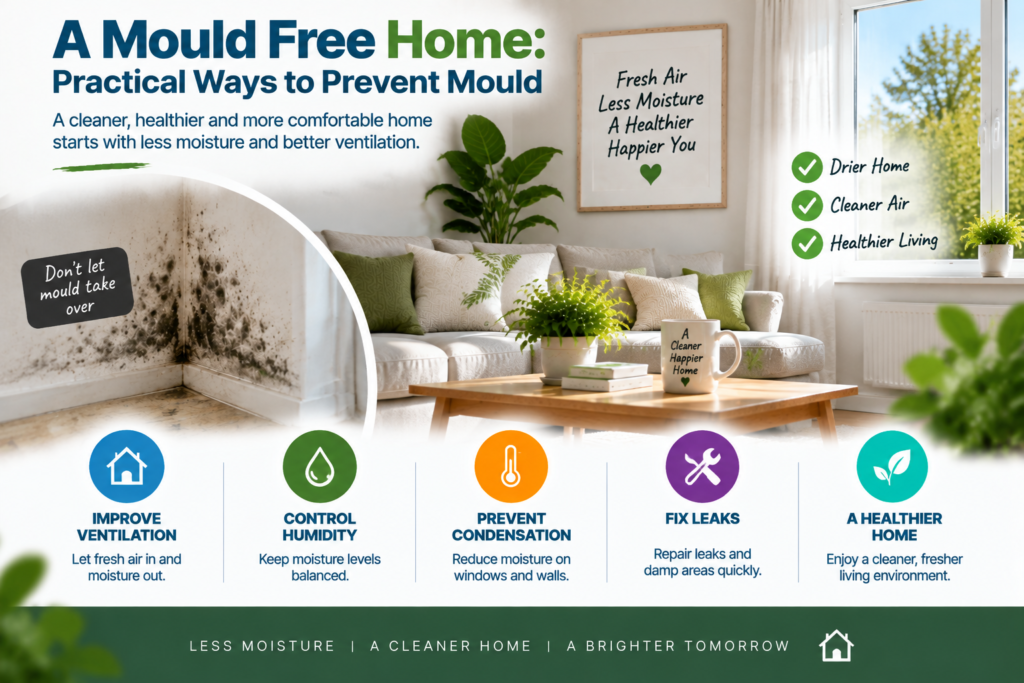

Winter can be a challenging time for homeowners across the UK. As temperatures drop, windows are closed more often, heating systems work harder, and everyday activities such as cooking, drying clothes and showering create extra moisture inside the home.
This combination can lead to winter damp and condensation problems, which may cause mould growth, unpleasant smells, damaged paintwork and even long-term issues with your property.
While condensation is not the same as structural damp problems like rising damp or penetrating damp, it can still create serious concerns if ignored. Understanding the causes, warning signs and prevention methods can help you maintain a healthier and warmer home throughout the colder months.
Why Do Damp and Condensation Problems Increase During Winter?
During winter, homes naturally become more vulnerable to moisture problems because of changes in temperature and lifestyle.
When warm air inside your home meets cold surfaces such as windows, walls and ceilings, the moisture in the air turns into water droplets. This process is known as condensation.
The problem becomes worse when:
- Windows remain closed for long periods
- Ventilation is reduced
- Heating creates temperature differences
- Moisture from daily activities builds up indoors
- Cold walls and poorly insulated areas attract moisture
Many UK homes experience condensation during winter because the colder weather reduces natural airflow and makes it harder for moisture to escape.
What Is Winter Condensation?
Winter condensation occurs when warm, moisture-filled air comes into contact with cold surfaces.
For example:
- Steam from a hot shower reaches a cold bathroom mirror
- Cooking steam collects on kitchen windows
- Warm indoor air touches cold external walls
The moisture then forms small water droplets, which can eventually lead to damp patches and mould growth.
Common areas affected by condensation include:
- Window frames
- External walls
- Bathroom ceilings
- Corners of rooms
- Behind furniture placed against cold walls
Although condensation is a common issue, excessive moisture can become damaging if it is not controlled.
What Are the Signs of Condensation Problems?
Recognising the early signs of condensation can help prevent bigger issues.
Water Droplets on Windows
One of the most common signs is moisture collecting on windows, especially in the morning after overnight temperature changes.
Black Mould Growth
Persistent condensation creates a damp environment where mould can grow. Black spots around windows, corners and ceilings are common warning signs.
Peeling Paint and Damaged Walls
Continuous moisture exposure can cause paint to bubble, peel or become discoloured.
Musty Smells
A damp or stale smell can indicate excess moisture trapped inside your home.
What Causes Excess Moisture Inside Homes?
Understanding the causes of indoor moisture is the first step towards preventing condensation.
Everyday Household Activities
Normal activities produce a surprising amount of moisture, including:
- Cooking
- Bathing and showering
- Drying clothes indoors
- Washing dishes
- Breathing and everyday living
Without proper ventilation, this moisture remains inside your home.
Poor Ventilation
A lack of airflow prevents moist air from escaping. Modern homes are often more energy-efficient, but they also need effective ventilation to maintain healthy indoor air quality.
Cold Walls and Poor Insulation
Cold surfaces attract condensation because warm air cools quickly when it touches them.
Poor insulation can create cold spots where moisture collects more easily.
Drying Clothes Indoors
Wet clothes release significant amounts of moisture into the air. Drying laundry indoors without ventilation can increase condensation levels.
How Can You Prevent Damp and Condensation in Winter?
Preventing winter damp does not always require major renovations. Small changes can make a significant difference.
Improve Ventilation Throughout Your Home
Good airflow is one of the most effective ways to reduce condensation.
You can improve ventilation by:
- Opening windows for short periods each day
- Using extractor fans in kitchens and bathrooms
- Keeping air vents clear
- Allowing fresh air circulation
Even during winter, controlled ventilation helps remove excess moisture.
Keep Your Home Warm Consistently
Many homeowners try to reduce heating costs by turning heating completely off. However, very cold surfaces can increase condensation.
Maintaining a steady indoor temperature helps keep walls warmer and reduces moisture buildup.
Helpful tips include:
- Avoiding extreme temperature changes
- Heating rooms regularly
- Keeping unused rooms slightly warm
- Improving insulation where needed
Improve Home Insulation
Poor insulation can contribute to cold walls and moisture problems.
Improving insulation can help:
- Keep indoor temperatures stable
- Reduce cold spots
- Improve energy efficiency
- Lower the risk of condensation
Common insulation improvements include:
- Loft insulation
- Wall insulation
- Floor insulation
A warmer home is less likely to experience excessive condensation.
Reduce Moisture Levels Inside Your Home
Managing daily moisture production can make a big difference.
Simple steps include:
- Using lids while cooking
- Running bathroom extractor fans
- Drying clothes outside when possible
- Closing bathroom doors during showers
- Wiping condensation from windows
These small actions help control indoor humidity levels.
Is Winter Damp the Same as Rising Damp or Penetrating Damp?
No. Although they can look similar, they are different problems.
Condensation is caused by moisture inside the home turning into water on cold surfaces.
Rising damp occurs when groundwater moves upwards through walls because of problems with damp protection.
Penetrating damp happens when water enters the property from outside through issues such as damaged roofs, walls or gutters.
Correctly identifying the problem is important because each type requires a different solution.
How Can You Identify If Your Home Has a Damp Problem?
If you notice moisture issues, look for these signs:
- Damp patches that continue growing
- Water stains on ceilings or walls
- Crumbling plaster
- Persistent mould growth
- Damaged brickwork
- Damp smells that do not disappear
If the issue continues despite improving ventilation and heating, it may indicate a deeper damp problem requiring professional assessment.
When Should You Contact a Professional?
Some condensation issues can be managed through better ventilation and moisture control. However, ongoing damp problems may require expert advice.
You should consider professional help if:
- Damp patches keep returning
- Mould continues spreading
- Walls feel constantly damp
- Paint and plaster are repeatedly damaged
- You suspect rising damp or penetrating damp
A professional inspection can identify the real cause and recommend the correct solution rather than simply treating visible symptoms.
How MQ Building Can Help Protect Your Home
At MQ Building, we understand the challenges UK homeowners face during winter. From identifying damp problems to improving insulation and repairing building issues, professional advice can help protect your property throughout the year.
Whether you are dealing with condensation, moisture damage or wider home improvement needs, the right solution starts with understanding the cause of the problem.
Final Thoughts: Keep Your Home Dry and Healthy This Winter
Winter damp and condensation are common problems, but they do not have to become a permanent issue.
By improving ventilation, maintaining a consistent temperature, reducing indoor moisture and addressing insulation problems, you can create a warmer and healthier living environment.
The key is to act early. Small signs such as window moisture, mould spots or damp smells should not be ignored, as early action can prevent more expensive repairs in the future.
Protect your home this winter by keeping moisture under control and ensuring your property remains comfortable, safe and energy-efficient.