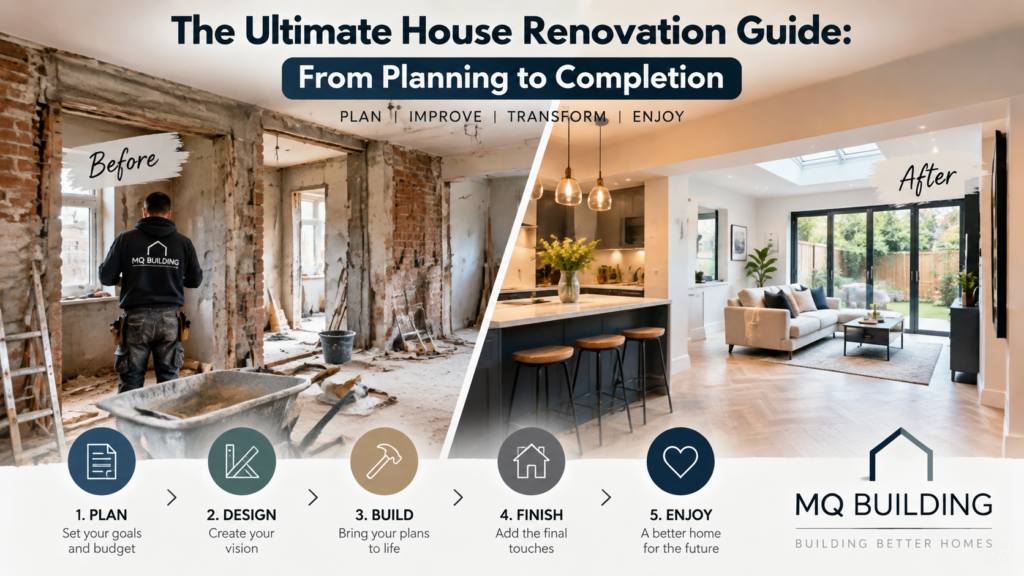
Renovating a house is an exciting opportunity to transform your living space, improve comfort, increase property value and create a home that better suits your lifestyle. However, a successful renovation requires careful planning, realistic budgeting and the right approach from start to finish.
Whether you are updating an outdated property, restoring an older home or completely redesigning your space, understanding the renovation process can help you avoid common mistakes and achieve better results.
Why Should You Renovate Your House?
A house renovation is not only about improving appearance. It can solve practical problems, enhance your daily living experience and protect your property for the future.
Homeowners choose renovation projects for many reasons, including:
- Creating more living space
- Improving energy efficiency
- Updating outdated interiors
- Repairing structural issues
- Increasing property value
- Improving comfort and functionality
A well-planned renovation can completely change how your home looks and feels while making it more suitable for your needs.
Start With a Clear Renovation Plan
The first step in any successful house renovation project is creating a clear plan. Without proper preparation, costs can increase, timelines can become longer and unexpected problems may appear.
Before starting work, consider:
What Do You Want to Achieve?
Define the purpose of your renovation.
Ask yourself:
- Do you need more space?
- Do you want a modern interior?
- Are you improving energy efficiency?
- Are you repairing damage?
- Are you preparing your home for sale?
Having clear goals helps guide every decision throughout the project.
Assess Your Current Property Condition
Before making renovation decisions, inspect your home carefully.
Look for:
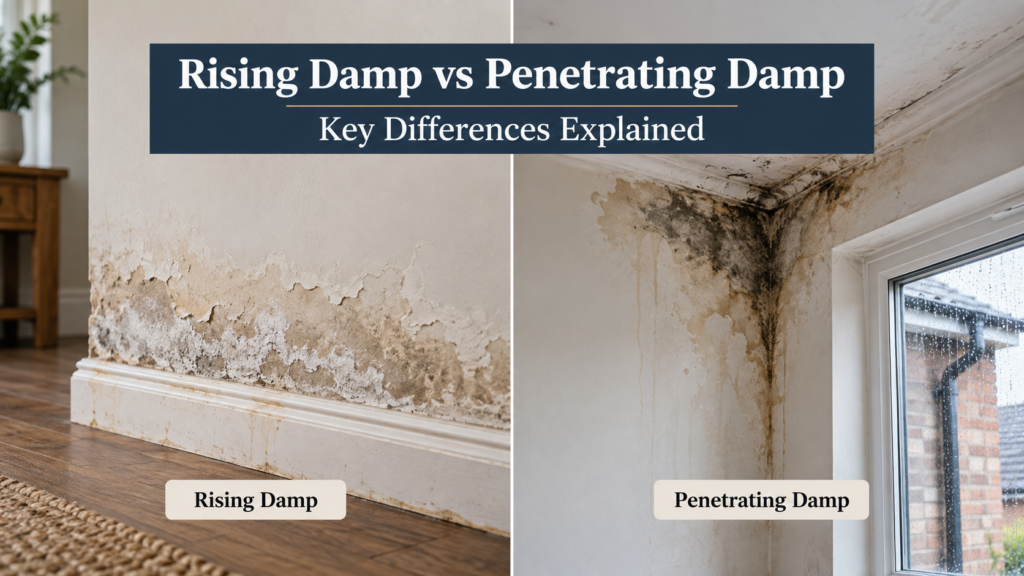
- Damp problems
- Cracks in walls
- Roof issues
- Poor insulation
- Outdated electrical systems
- Plumbing problems
- Structural concerns
Identifying these issues early prevents unexpected repairs during construction.
For older UK properties, a professional inspection can be especially valuable because hidden problems may not always be visible.
Create a Realistic Renovation Budget
One of the most important parts of planning a house renovation is setting a realistic budget.
Your budget should include:
- Building materials
- Labour costs
- Design fees
- Planning permissions
- Fixtures and fittings
- Unexpected expenses
It is recommended to keep an additional contingency budget because renovation projects often reveal unexpected issues once work begins.
A good rule is to reserve around 10–20% of your budget for unexpected costs.
Decide Which Areas of Your Home Need Renovation
Not every renovation needs to involve the entire property. Prioritising areas can help you manage costs effectively.
Common renovation areas include:
Kitchen Renovation
The kitchen is often considered the heart of the home. Improvements can include:
- New cabinets
- Modern appliances
- Better lighting
- Improved layouts
- More storage space
Bathroom Renovation
A bathroom upgrade can improve comfort and add value through:
- Modern fixtures
- Better ventilation
- New tiles
- Improved heating
- Updated designs
Living Space Improvements
Renovating living areas can include:
- New flooring
- Wall finishes
- Lighting upgrades
- Open-plan designs
- Improved insulation
Do You Need Planning Permission?
Before starting construction work, check whether your renovation requires approval.
In the UK, planning permission may be needed for:
- Large extensions
- Structural changes
- Significant alterations
- Listed buildings
- Changes affecting external appearance
Some smaller projects may fall under permitted development rights.
Always check requirements before beginning major work to avoid delays.
Choose the Right Renovation Professionals
The quality of your renovation depends heavily on the professionals you choose.
When selecting a building contractor, consider:
- Previous renovation experience
- Customer reviews
- Portfolio of completed projects
- Communication skills
- Transparent pricing
- Professional approach
A reliable contractor should clearly explain the process, costs and expected timeline.
Create a Detailed Renovation Timeline
A realistic schedule helps keep your project organised.
A typical house renovation timeline includes:
| Stage | Estimated Time |
|---|---|
| Planning and design | Several weeks |
| Preparation work | 1–3 weeks |
| Structural changes | Several weeks |
| Interior installation | Several weeks |
| Finishing touches | 1–2 weeks |
The exact duration depends on the size and complexity of the renovation.
The Main Stages of a House Renovation
Understanding the renovation process helps homeowners know what to expect.
Stage 1: Preparation and Protection
Before construction begins:
- Remove unwanted furniture
- Protect remaining areas
- Arrange temporary living solutions if needed
- Prepare the site
Proper preparation creates a safer and smoother working environment.
Stage 2: Structural and Building Work
This stage focuses on major changes, including:
- Removing walls
- Building extensions
- Repairing structural problems
- Improving foundations
- Updating external areas
Structural work should always be completed by experienced professionals.
Stage 3: Electrical, Plumbing and Heating Updates
Many renovation projects involve upgrading essential systems.
This may include:
- New electrical wiring
- Improved lighting
- Updated plumbing
- Heating improvements
- Energy-efficient solutions
Modern systems can improve safety, comfort and energy efficiency.
Stage 4: Insulation and Energy Improvements
Improving energy efficiency is an important part of modern home renovation.
Popular upgrades include:
- Loft insulation
- Wall insulation
- Energy-efficient windows
- Better ventilation systems
- Improved heating controls
These improvements can help reduce energy bills and create a more comfortable home.
Stage 5: Interior Finishing and Design
The final stage brings your renovation vision to life.
This includes:
- Painting and decorating
- Flooring installation
- Kitchen fitting
- Bathroom finishing
- Lighting installation
- Final styling
Attention to detail during this stage creates a polished final result.
Common House Renovation Mistakes to Avoid
Even well-planned projects can face challenges. Avoiding common mistakes can save time and money.
Not Creating a Detailed Budget
Poor budgeting can lead to unfinished work or unexpected financial pressure.
Changing Plans During Construction
Frequent design changes can increase costs and delay completion.
Choosing the Cheapest Contractor
The lowest price does not always mean the best value. Quality workmanship is essential.
Ignoring Hidden Problems
Issues like damp, structural damage or outdated systems should be addressed early.
Forgetting About Ventilation
A renovated home needs proper airflow to prevent condensation and moisture problems.
How to Make Your Renovation More Energy Efficient
Modern homeowners are increasingly focused on creating energy-efficient homes.
Consider:
- Better insulation
- Efficient heating systems
- Double glazing
- LED lighting
- Smart home controls
- Improved ventilation
Energy improvements can increase comfort while reducing long-term running costs.
How Long Does a House Renovation Take?
The duration of a renovation depends on:
- Size of the property
- Type of work required
- Availability of materials
- Planning approvals
- Contractor schedule
Small renovations may take a few weeks, while complete house renovations can take several months.
Good planning and communication help keep projects on track.
How MQ Building Can Help With Your Renovation Project
At MQ Building, we understand that every home renovation project is unique. From initial improvements and structural work to complete property transformations, professional planning and quality workmanship are essential for achieving the best results.
Whether you want to modernise your home, improve functionality or create additional space, our experienced team can help turn your ideas into reality.
Final Thoughts: Plan Your House Renovation Successfully
A successful house renovation requires more than just good design ideas. Careful planning, realistic budgeting and skilled workmanship are the foundations of a successful project.
By understanding each stage — from planning and preparation to construction and finishing — homeowners can make better decisions and enjoy a smoother renovation experience.
Whether you are renovating one room or transforming your entire property, the right approach can help create a comfortable, modern and valuable home for years to come.